 Gumroad



 Polar
 Kelviq
 Stan

Feature
Let buyers choose the price without making them guess what they get
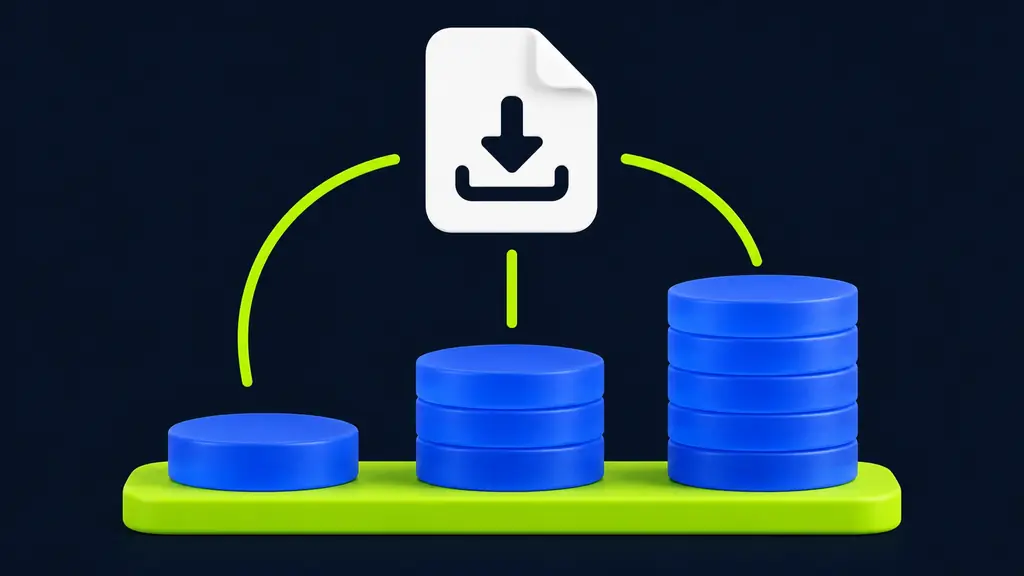
Pay what you want pricing lets a buyer choose the product amount, subject to the minimum you set on EXNO. Use it when the same download or access can sensibly be sold at different amounts. Choose a fixed price or separate editions when your workload, the files, or the usage rights change with the payment. 16
What changes when buyers choose the price?
Pay-what-you-want pricing lets the buyer choose an amount for a defined product, subject to your minimum. EXNO documents that choice, but it does not mean higher payments automatically unlock extra files, that every offer can start at zero, or that the purchase becomes a tip or charitable donation. 1
| Model | Buyer’s decision | Your explanation |
|---|---|---|
| Fixed price | Whether to buy at the stated price. | One defined offer and price. |
| Pay what you want | What amount to pay within the permitted range. | The same contents at each accepted amount. |
| Different editions | Which package fits the need. | What changes between editions. |
The EXNO features overview confirms buyer-selected pricing with a minimum. Write your terms around the price the buyer can actually select, not around a control you expect to see. 1
“let buyers choose what to pay above a minimum”
How do you prepare and check a pay-what-you-want offer?
Prepare one complete offer, choose a sustainable minimum and test how the amount appears throughout checkout. Keep the contents and usage terms consistent across accepted prices, then verify the buyer can distinguish their selected product amount from the final total before you share the page publicly. 6
- Define identical contents. List included files, access duration and applicable usage terms. If extra payment buys something different, explain that as another edition rather than leaving it implicit.
- Choose and configure the floor. Account for delivery, support and selling costs. Enable the supported pricing option and confirm the minimum shown in the actual product configuration.
- Check the boundaries. Try an amount below the minimum, the minimum itself and a higher amount. Record accepted and rejected behavior; correct any mismatch before promotion.
- Review checkout wording. Confirm the selected amount, unchanged deliverables and final charge remain understandable on mobile and desktop. 6
Use flexible pricing where the deliverable can stay the same
Buyer-selected pricing makes sense when different payments can support the same clearly defined download without changing your delivery workload. Keep costly live work and additional licensing rights separate, so a generous payment does not silently buy extra appointments, broader permissions, or support you never intended to include.
For a reusable field guide, offer the same file and stated update policy at a chosen price above a disclosed floor. For a live commissioned session, a fixed price is usually easier to connect to preparation, appointment length, and revision limits. If a separate edition permits team use or commercial redistribution, price and describe that license explicitly; paying more for the personal edition does not upgrade its rights.
| Buyer group | Paid orders | Price each | Gross revenue |
|---|---|---|---|
| Pays the floor | 10 | $6 | $60 |
| Chooses a higher price | 4 | $10 | $40 |
| Chooses the highest example price | 1 | $20 | $20 |
The fifteen paid orders total $120: the mean is $8, but the median is $6, and ten buyers, or approximately 66.7%, pay the floor. A fixed $8 price would also gross $120 from fifteen sales. That is revenue equivalence, not evidence that the same fifteen people would buy at $8 or that flexible pricing increases demand.
Standard sales: 7%. Discover sales: 7%. Additional fees may apply to payment processing, payouts and other transactions. See the Seller Agreement for current fees and terms.
What should you verify before offering pay-what-you-want?
Treat pay-what-you-want as a price choice within the offer you actually configure, not a promise of free access or different licensing at higher amounts. EXNO describes buyers choosing above a minimum; verify the checkout’s boundary behavior and final charges before advertising suggested amounts, discounts, or a zero-price option. 1
For an illustrative $6 floor, run three controlled checks and record the displayed result rather than guessing how the interface handles invalid input:
- Enter $5. Confirm that a below-floor amount cannot complete this offer. Do not assume it rounds upward or becomes a free download.
- Enter $6. Verify the minimum is accepted and the promised files and rights match the description. If testing a discount code, establish its actual interaction with the floor separately.
- Enter $7. Confirm the higher amount does not unexpectedly select another edition. Paying more should not imply broader commercial rights, extra support, or future updates unless the offer explicitly includes them.
Read the checkout summary as a shopper would: is the chosen product amount recognizable, and is any additional charge disclosed separately before payment? Record what actually happens with an active code rather than describing an untested discount as compatible. 13
Keep the chosen payment amount separate from the files and permissions included in the offer.

How do you tell whether buyer-chosen pricing works for this product?
Measure orders, gross revenue per visitor and the share of buyers choosing the minimum for a comparable offer over a defined period. Do not pick a winner using the highest payment or the average order alone: a change in traffic, conversion, refunds or support work can reverse the apparent result.
Use one denominator that includes people who walked away
Suppose 100 product-page visits led to the 15 orders in the example above. That gives $1.20 gross per visit. A fixed-price edition at $8 with 12 orders from another 100 visits would produce $96, or $0.96 per visit. Those are illustrative results, not a forecast. If one period followed a newsletter and the other relied on marketplace browsing, you have compared audiences as well as prices. 2
Use checkout analytics to locate the step where people leave. Keep the page copy, files and checkout presentation steady while comparing price models; a checkout-design test does not by itself establish demand for a particular floor. Write down the date of each change so old and new periods are not mixed. 16
Keep the offer consistent across places you share it
If you share the offer through an EXNO payment link, inspect the public destination to make sure it presents the intended amount choice. A link with a fixed amount is not evidence that the shopper can edit it. The EXNO checkout and payment-link overview distinguishes the checkout route from the product price model; the order should still identify the edition the buyer selected. 46
Check the receipt and library entry for a test order: the same offer should deliver the same file at either accepted amount. If a customer reports a missing file, resolve purchase access rather than interpreting the voluntary amount as permission to withhold delivery. 5
Read field research within its limits
Kim, Natter and Spann observed voluntary payments in three real-world field studies. Their research concerned particular service settings, not this EXNO product, and did not establish a universal profitable minimum for digital goods. A positive payment is not the same as a sufficient margin, and observing a sale does not tell you what the same person would have paid under a fixed price. 7
Give the price experiment a stable, public landing point
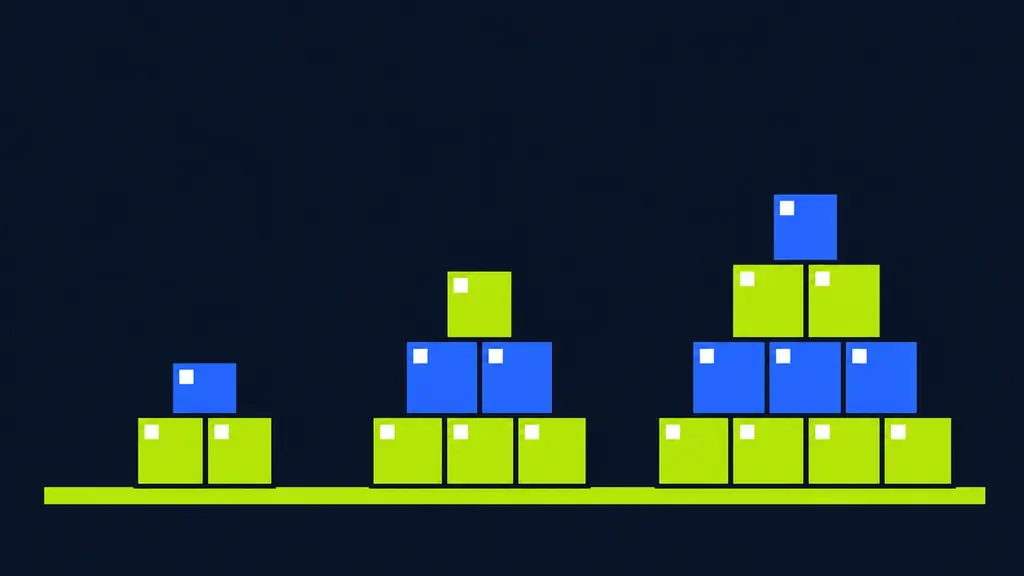
A short stepped motif can identify a flexible-price offer even if you later change its minimum. Link a block on the EXNO Pixel Wall to a public description that stays current, rather than building a temporary price into the artwork and making visitors guess which amount still applies.
Wall space is not pay-what-you-want: its one million pixels are priced at $1 each. Pay once by card or from seller earnings; the title and destination can accompany your design. EXNO reviews submitted blocks before anyone sees them on the wall.
Questions buyers and sellers ask about a flexible minimum
A floor, an optional amount above it and a paid upgrade answer different questions. Use the distinctions below to set expectations on the product page, evaluate what customers really paid and decide when a reusable download deserves a different pricing model from high-touch work.
Does pay what you want mean free to download on EXNO?
Not automatically. EXNO describes a buyer-selected price subject to a minimum; a product using a positive minimum is not free. Do not advertise a zero-cost checkout unless the exact offer supports that path and you have verified the buyer experience. 16
How can I choose a minimum without guessing what people will pay?
Start with the lowest product price that still lets you honor the deliverables and support you promise. Model the case where every accepted order pays that amount, then run a limited observation period. That gives you a defensible starting point, not a prediction of buyers’ willingness to pay.
Can I suggest a price without selling a different edition?
You can explain in the product description that buyers receive the same item at every accepted amount and offer a clearly optional reference amount. Do not label that suggestion as mandatory, or promise a preselected field or button that you have not seen in checkout. 1
If someone pays double, do they get a team or commercial license?
Not merely because of the payment amount. State the permissions attached to the purchased edition. If team seats or commercial use have different terms, offer and label that edition separately so the order identifies the rights being bought.
Is choosing a higher price the same as making a charitable donation?
No. This example is a purchase of a digital product at the buyer’s chosen amount. Do not describe the extra amount as a tax-deductible contribution, a charitable receipt or a donation program merely because it was voluntary. 14
Which number tells me whether most buyers pay above the floor?
Count the paid orders above the minimum and divide by all paid orders for the same offer and period. The average alone does not describe a typical buyer.
What should I compare if my pay-what-you-want page gets fewer orders?
Compare equivalent traffic, conversion, gross per visit, refunds and the time spent on each order. Fewer purchases may still produce more gross revenue; more gross revenue still does not establish higher profit. Record what else changed, especially the source of visitors and what the offer included.
Should I use a flexible price for custom work as well as downloads?
Only when the minimum covers the exact commitment you make, including the chance that the buyer chooses no more than that. A fixed quote is easier to justify when one extra round of revisions or an additional appointment changes the work substantially. Do not let payment generosity become an unwritten service agreement.
General information, not tax or legal advice.
Evidence for EXNO pricing controls and buyer-chosen amounts
EXNO’s pages establish the product, checkout and delivery features described here; the academic paper reports findings from the authors’ own field experiments. The worked order distribution and revenue-per-visit figures are original arithmetic examples, not market averages, a promise of higher revenue or a tax characterization of voluntary payments.
- EXNO product and storefront features · Private digital file delivery, product editions, checkout links and storefront tools· checked 19 November 2026
- EXNO · The public marketplace where shoppers browse digital products by category· checked 19 November 2026
- EXNO seller pricing· checked 19 November 2026
- EXNO payments · The buyer transaction and EXNO’s merchant-of-record responsibilities· checked 19 November 2026
- EXNO Help Center · Seller and buyer workflows, including accessing purchased digital products· checked 19 November 2026
- EXNO: Checkout Builder · Pay-what-you-want, fixed prices and other checkout options serve different purposes· checked 19 November 2026
- Kim, Natter and Spann: Pay-What-You-Want, a new participative pricing mechanism · Authors’ postprint of original field research; its experimental results do not establish demand for a new EXNO seller· checked 19 November 2026


Start with one minimum and one unambiguous deliverable
Choose a product you would be willing to deliver at the floor, state exactly what arrives, and try the boundary amounts in the actual buyer flow. Once the minimum and the order match your description, put the offer in your store and record what happens before extending the model to other products.
Keep reading

Feature
Build an affiliate program around your digital products
An affiliate program on EXNO lets you set a commission rate while partners promote your digital products through their own links and coupons. You also have affiliate analytics to review activity and inform your next campaign. Start with a product you can explain clearly, a commission you have worked through, and partners whose audience has a reason to use it.
Read the guide
Feature
What can EXNO AI help you decide as a seller?
EXNO AI is an AI assistant for online sellers that answers questions in your language from the chat bubble at the lower right of the dashboard, 24 hours a day. Use it to understand an EXNO rule, review your store, compare prices on Discover or work on an idea; involve the EXNO team when the situation needs a person.
Read the guide
Feature
Design your EXNO storefront by telling the builder what should change
EXNO’s AI Store Builder lets you change your storefront design through a conversation and refine the result with drag-and-drop editing. Instead of asking for a “better store,” tell it who is visiting, what they need to find and which part of the page should move.
Read the guide