 Gumroad



 Polar
 Kelviq
 Stan
Build a Puerto Rico digital store without mixing up the tax systems

Sell digital products from Puerto Rico with EXNO and receive USD in your own eligible bank account in Puerto Rico or your registered company’s account. Puerto Rico is a U.S. territory with its own local tax administration, so prepare the product and payout setup without assuming that one registration or one return covers every obligation.1
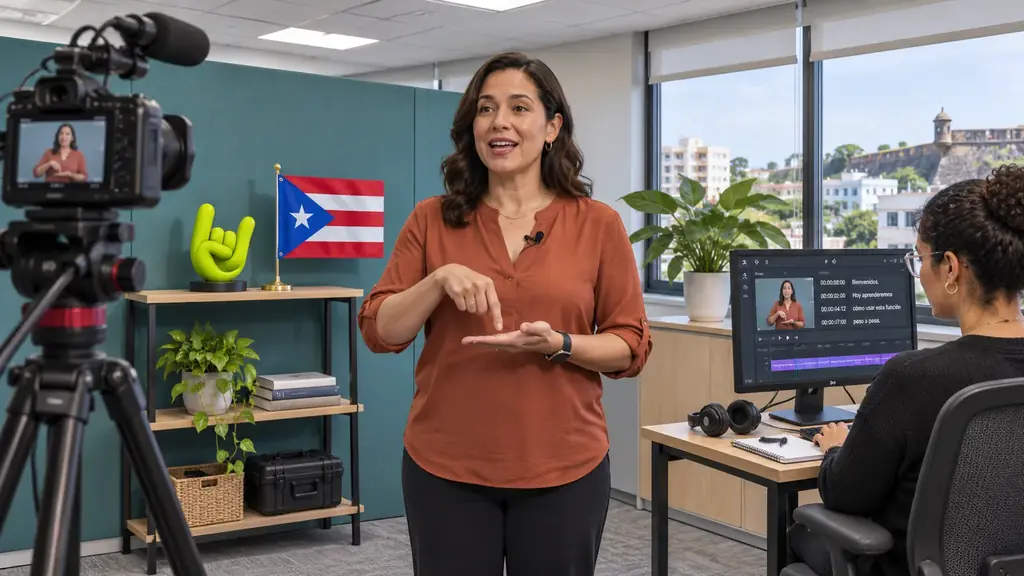
Payouts at a glance
- You're paid in
- US dollar (USD)
- How
- Bank transfer to an account in your name (or your company's) in Puerto Rico
- When and how much
- Payouts go out every Tuesday, straight to your bank account. Each sale becomes available 7 days after it's made.
- What you'll need
- An ID and a selfie for a one-time identity check, then your bank (picked from a list), your account number or IBAN and, where your bank needs them, a SWIFT/BIC code or a national ID or tax number.
US dollar to euro converter
Reference rate updated November 27, 2026
100.00 USD =
91.13 EUR
1 USD = 0.911313 EUR · 1 EUR = 1.0973 USD
Indicative mid-market rates for planning. Your payout uses the rate on payout day. Rates: ExchangeRate-API.
Taxes for sellers in Puerto Rico
Tax year 2026
Understand Puerto Rico digital seller taxes in 2026: Hacienda rates, federal self-employment tax, SURI registration, IVU exports, records and payment dates.
Read the Puerto Rico tax guideSeparate Hacienda, federal income tax and self-employment tax
A digital seller can have several different responsibilities even when every transaction is denominated in dollars. Hacienda administers Puerto Rico’s local tax system, while the IRS applies the relevant federal rules. The IRS describes U.S. territories as having “separate, autonomous income tax systems”. Its guidance immediately distinguishes those systems from Social Security and the federal self-employment-tax obligation.2
For federal income tax, bona fide residence and income source matter. IRS Topic 901 says a bona fide Puerto Rico resident whose only income is from Puerto Rico sources generally does not need a U.S. federal income-tax return. Income from outside Puerto Rico can create a federal filing requirement above the applicable threshold, and special rules exist. This is not a blanket exemption for everyone who opens an island bank account.3
Publication 570 explains the presence, tax-home and closer-connection tests used in assessing bona fide residence. It also discusses how income source is determined. A mainland customer, a foreign platform and a USD bank credit are different facts; none should be used alone to classify the income from your work. If you move during the year or work in more than one place, retain dates and records for the adviser reviewing your position.4
Self-employment tax is a separate question. IRS guidance generally requires payment to the IRS when net self-employment earnings reach US$400, subject to the stated rules. A seller who has no federal income-tax return requirement may still need Form 1040-SS for self-employment reporting; where a federal Form 1040 is required, Schedule SE is used as applicable. Do not send that federal payment to Hacienda merely because the work was performed in Puerto Rico.2
For a local planning example, US$16,000 of business receipts less US$4,000 of documented operating costs gives US$12,000 before the tax analysis. It is not automatically the final tax base or amount due. The IRS warns that deductions used for territory income calculations may differ from those allowed for federal self-employment purposes. Keep the supporting detail instead of assuming one spreadsheet total answers both systems.2
Use a preparer familiar with both Puerto Rico and federal obligations when the facts require it. Give them the work description, location history, contracts and transaction statements. A claim about an incentive someone else received is not evidence that your own store qualifies for the same treatment.
Use SURI for the right local purpose
Hacienda’s merchant-registration page directs first-time applicants to SURI and separately addresses updates for designated professional services. Start with the real operator and business activity. A merchant registration identifies the business for local tax administration; it does not itself form a company or settle which permits and other registrations the activity requires.5
SURI also supports individual income-tax filing. Hacienda’s Circular 26-02 describes electronic filing of the 2025 individual return during the 2026 filing season, including preparation through the taxpayer’s individual income-tax account. That is a specific filing-year procedure, not a reason to assume future deadlines or forms remain unchanged. Check the instructions for the year you actually need to file.6
Keep a local compliance checklist that distinguishes registration, income-tax returns, any IVU obligations and other applicable business requirements. Ask how your supply to the merchant of record should be documented. If you operate as an individual, do not fill company fields with an invented entity simply because the storefront has a brand name.
EXNO is the merchant of record for customer transactions: it collects payment and handles applicable customer sales tax or VAT, refunds and payment disputes. Your Hacienda registrations and reporting, possible federal filings, and other local compliance remain separate. Share sample statements with your adviser so they can distinguish customer-facing taxes from your own business income.1
If two creators collaborate, decide which operator sells the product and how the other contributor is paid. Record ownership and licensing permission before launch. This helps prevent a payout in one person’s name from becoming an unexplained receipt for another person’s business.
Design for bilingual buyers and useful delivery choices
The U.S. Census Bureau’s Puerto Rico QuickFacts table reports that 80.6% of households had a broadband internet subscription in the 2020–2024 period. This is a household subscription estimate across that period, not a 2026 measure of individual internet use or a count of digital shoppers. Buyers still need clear previews and manageable downloads.7
A seller can serve Spanish-speaking customers, English-speaking customers or both, but the product should say which language applies to each component. An English sales page does not automatically make the course bilingual. A Spanish workbook with English support notes can be useful if the distinction is explicit. Check accents, captions and searchable text in the actual exported files.
| Offer | Preview that helps | Detail to state before checkout |
|---|---|---|
| Audio samples and production assets | A short example using the included sounds | Formats, commercial rights and redistribution limits |
| A bilingual professional course | A lesson in each advertised language | Caption coverage, prerequisites and feedback availability |
| A software utility | A repeatable task on a supported version | Activation, dependencies and update entitlement |
| A recurring resource membership | A dated sample issue | Release schedule and access terms after cancellation |
For a live service, show the appointment’s date and time zone and explain what happens if either party needs to reschedule. A portfolio critique can have a fixed page limit and a written deliverable. A tutoring package can define session length and whether follow-up corrections are included. Specific limits help the customer compare offers and prevent an inexpensive purchase from becoming unlimited work.
For a large creative library, provide a small demonstration before purchase and an organized download afterward. Include file counts, formats and a readme. Keep source material that is not licensed for redistribution out of the customer package, even if you used it during production.
A product need not be built around tourism or a local cultural theme to be distinctive. Technical expertise, teaching skill and well-documented creative tools can travel across markets. Explain the problem solved and the expected result without claiming that every buyer will earn more money, obtain a job or achieve another outcome you cannot control.
Confirm the local account rather than guessing a transfer route
Puerto Rico’s listed EXNO payout currency is USD. Select an eligible bank account in Puerto Rico belonging to you or the registered company operating the store. The beneficiary record should match the verified seller; a family member’s convenient account is not a substitute for an account in the correct name.1
Banco Popular’s official transfer help distinguishes ABA routing information, SWIFT information and correspondent banks. These identifiers do different jobs. Use your own bank’s instructions for the actual receiving arrangement and the fields EXNO requests, rather than copying a generic international-wire template or assuming every USD payout uses the same rail.8
Before your first payout, complete the identity check with an ID document and selfie. Check account numbers against the bank’s records and resolve a name mismatch before expecting funds. Avoid publishing those private details on the product page; customers need the business identity and support route, not your receiving-bank credentials.1
If you replace the bank account, EXNO sends a security email and places a 72-hour hold on the first payout to that new account. This platform-wide safeguard is documented in the public Türkiye guide, which is cited here only for the bank-change rule. It does not add a fresh seventy-two-hour delay to every later transfer.9
Keep account-change confirmations with the business records so an unexpected destination change is easier to spot. If the operator changes from an individual to a company, review the verification and bank relationship together instead of treating it as a simple storefront rename.
Make the first launch a controlled business test
A small release can reveal unclear language, missing dependencies and bookkeeping gaps before they affect many buyers. Use an ordered process that reaches beyond creating the sales page.
- Identify the operator. Decide who owns and sells the work, and confirm the relevant Hacienda registration and business requirements.
- Map the tax questions. Separate local reporting, federal income-tax residence and source rules, and self-employment tax. Bring the actual facts to a qualified adviser.
- Prepare the customer experience. Test previews, language labels, delivery files and license or service limits. Remove private client information.
- Verify the USD account. Complete the ID document and selfie check and compare the beneficiary and routing details with the bank’s record.
- Inspect a complete cycle. Use supported selling features, then match orders, fees, adjustments and bank credit before increasing promotion.
Keep the version of the description each customer purchased. When you improve the course or revise a service scope, preserve the earlier record. Good support can then explain what changed without rewriting the customer’s original agreement.
Puerto Rico questions that deserve separate answers
These answers distinguish Hacienda administration, federal tax rules and EXNO’s payout process rather than treating USD receipts as one simple tax category.
Does living in Puerto Rico eliminate federal tax obligations?
No. Bona fide residence, income source and the applicable filing rules matter, and federal self-employment tax is a separate issue. Do not treat an island address as a blanket exemption.23
Can self-employment tax apply without a federal income-tax return?
Yes. IRS guidance provides for Form 1040-SS where applicable even when a Form 1040 income-tax return is not required. The US$400 net-earnings threshold and relevant conditions should be reviewed separately.2
Is SURI the same as my EXNO seller account?
No. SURI is Hacienda’s local tax administration system, including merchant registration and relevant returns. EXNO onboarding handles the platform relationship and does not replace those local tasks.56
What happens when I replace the bank account?
EXNO sends a security email and holds the first payout to the replacement account for 72 hours. That safeguard is separate from the normal seven-day eligibility period and Tuesday schedule.9
General information, not tax or legal advice.
Sources
Hacienda explains merchant registration and the specified individual-return filing procedure through SURI. IRS guidance separates bona fide residence, income source and federal self-employment tax. Census QuickFacts supplies the 2020–2024 household broadband estimate; Banco Popular explains transfer identifiers. EXNO’s Puerto Rico page supports payout terms, while its Türkiye guide supplies only the bank-change safeguard. Sources checked November 19, 2026.
- EXNO
- IRS: U.S. territory self-employment tax
- IRS Topic 901: Puerto Rico federal income-tax filing
- IRS Publication 570: territory residence and income-source rules
- Hacienda: merchant registration through SURI
- Hacienda Circular 26-02: 2025 individual returns filed in 2026
- U.S. Census Bureau: Puerto Rico QuickFacts, 2020–2024 broadband subscriptions
- Banco Popular: transfer identifiers and instructions
- EXNO Türkiye: platform bank-change safeguard only


Launch with clear products and separate compliance records
Prepare the customer package, local account and tax questions, then create your EXNO store. Review how payments work before promising a delivery or spending date.