 Gumroad



 Polar
 Kelviq
 Stan

Selling guide
How to sell AI prompt packs that a buyer can actually test
To sell AI prompts, choose a task with a checkable result, package your reusable instructions with sample inputs and a review checklist, and sell the editable files as a digital download. Show buyers which model and interface you used, what they must provide themselves and how to tell when an answer is wrong. EXNO can deliver the kit after checkout; it does not supply the buyer’s AI account as part of that download. 167
What makes an AI prompt worth buying?
A useful prompt product turns a recurring brief into a reviewable result, with clear inputs and a way to recognize failure. Sell the workflow, examples and testing guidance around the instruction, not a promise that a clever phrase will make every model accurate or replace the buyer’s judgment.
| Workflow | Required input | Verifiable result | Failure to catch |
|---|---|---|---|
| Facts to FAQ | Approved product facts and unanswered questions. | Answers supported by the supplied facts; gaps identified. | An invented warranty or delivery promise. |
| Catalog copy | Specifications, audience and prohibited claims. | Readable descriptions preserving measurements and limitations. | A fabricated material, certification or benefit. |
| Study questions | An authorized lesson passage and learning objective. | Questions and answer keys traceable to that passage. | An ambiguous question or unsupported answer. |
These examples are product designs, not performance results. If a buyer cannot tell whether the response is right, narrow the task before adding more prompts.
How do you package and test a dependable prompt workflow?
Package editable instructions with a defined input format, example outputs and checks that buyers can repeat. Record the model, test date, interface and relevant settings, then test ordinary, missing and contradictory inputs; the finished product should explain its limits rather than presenting one attractive response as evidence of consistent performance. 78
“Prompt engineering is iterative.”
- Make the files usable. Supply editable TXT or Markdown, a short input guide and a separate example file. Label placeholders such as [APPROVED_FACTS] and [QUESTION_COUNT]. Specify allowed values and what should happen when a field is blank; do not leave buyers guessing which text to replace.
- Separate chat from API setup. State where you tested the instructions and which capabilities they require. A chat interface with uploaded files or browsing is not automatically equivalent to a text-only API request. List only settings you actually controlled and distinguish a documented test from an untested adaptation.
- Create a small evaluation set. Include an incomplete brief, conflicting facts and a request for more items than the source supports. Count requested versus returned items and inspect factual support. Keep failed outputs as regression cases; do not delete inconvenient results when describing the product’s limitations. 7
- Audit privacy and rights. Use fictional or appropriately authorized examples. Obtain necessary permission before submitting client material to an AI service, remove unnecessary personal information and check the applicable service terms. Do not promise exclusive copyright in generated results: the U.S. Copyright Office distinguishes sufficient human authorship from merely supplying prompts. 910
Original mini prompt:
Using only these facts, answer the question in one sentence. If the answer is missing, write: Not stated. Facts: The pack contains 12 editable slides. No photos are included. Question: Are photos included?
Expected response for this test: No, photos are not included.
This is an authored test fixture, not a reported model run or a guarantee. Changing the question to ask about refunds should produce Not stated. Verify both cases before calling the workflow tested.
Price the tested workflow, not the prompt count
Give each edition a distinct job, a documented test set, and clear usage rights rather than charging more for a longer list of prompts. Buyers should understand what they can adapt, which model versions you tested, and where human review remains necessary before they choose a personal or team package.
These fictional offers illustrate packaging, not market prices. Supply the promised examples and testing notes; a higher tier should not imply guaranteed results, exclusive outputs, or access to a paid model.
Standard sales: 7%. Discover sales: 7%. Additional fees may apply to payment processing, payouts and other transactions. See the Seller Agreement for current fees and terms.
State whether client work is permitted and prohibit resale of the pack if that is your intended license. Describe support and update limits separately. Team permission covers use of your supplied materials; it does not grant additional model subscriptions or ownership of third-party content.
How to package and sell your AI prompt kit on EXNO
Set up the kit as a downloadable product, with one public sample and a separate private file for each edition you sell. Follow the path from listing to receipt as a buyer, checking that the edition described on the page matches the file you can actually open afterward.
- Freeze a usable release. Put the exact files you tested into a versioned archive, and inspect its contents before upload. Remove drafts, credentials and real customer data.
- Make the preview representative. Label the free sample with the same edition name and interface as the paid kit. If your example depends on an uploaded document, say so on the listing.
- Create the offer and attach the private kit. Use the EXNO product presentation and private-delivery tools to present the contents and release the files after payment. Put the license, requirements and support scope next to the price. 1
- Check the purchase destination. Create an EXNO payment link for the kit and confirm that it leads to the intended product. Check from a buyer account: open the receipt, retrieve the purchased archive and find the editable TXT. 1
- Run the delivered instructions, not your working notes. Paste a purchased prompt into the advertised interface using fresh, non-sensitive sample inputs. Check placeholders, line breaks, and setup instructions. EXNO supports emailing customers about updates, but that capability does not turn this static purchase into an automatic update entitlement. 1
What should a buyer see before paying for a prompt kit?
Show one small task from start to finish: the source material the buyer supplies, the editable instruction and the checks that separate a usable answer from a plausible mistake. Let prospective customers decide whether that process fits their work before asking them to judge the rest of the collection by its size.
Give a useful sample without publishing the whole pack
For a meeting-note formatter, use this invented excerpt: “Rin will revise the handout by Friday. We still need a room.” A useful sample table assigns Rin and Friday only to the handout; the room has neither an owner nor a deadline. An impressive-looking row assigning the room to Rin is a failure. Mark it up once, showing exactly where the source stops supporting the output.
If you list the kit in EXNO Discover’s digital product marketplace, name the real task rather than filling the title with model names. A short two-input demonstration explains why someone would buy the full pack: the rest adds tested conditions, an editable review sheet or team-use instructions, not just more text. 2
Fix the source of the complaint
- “It made something up.” Ask for a fictional reconstruction, not the customer’s confidential brief. Compare it with the published example and look for instructions that reward guessing when a source fact is missing.
- “It used to work.” Identify the model label, interface, kit edition and test date. Rerun the small evaluation set before labeling the kit compatible with a different model. Publish a dated change note if behavior or instructions have changed. 78
- “Where’s my access?” For a missing file, check the receipt and the purchased edition. For a third-party model login or usage limit, explain the separate provider requirement rather than handing out credentials. 5
“output may not be unique”
That distinction belongs on the listing if you sell a team or client-use license. You can specify who may use the files you wrote. You cannot use that license to promise a model will never generate a similar answer for someone else. 910
Put a small visual signature beside your public prompt sample
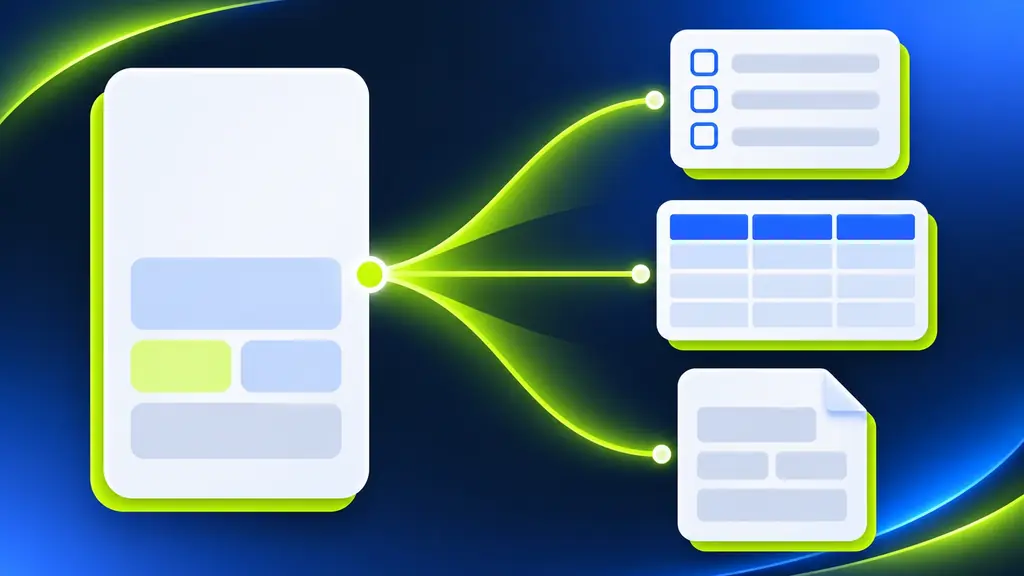
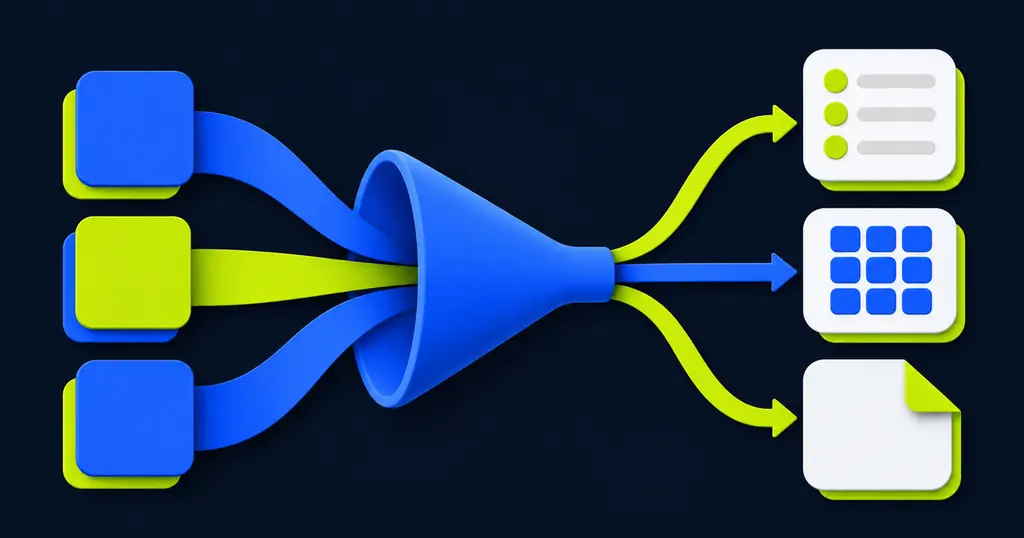
A cursor and three branching blocks can suggest a choice of outputs without shrinking instructions into unreadable text. An optional block on the EXNO Pixel Wall can point to your public demonstration, where a visitor can read the sample fixture and decide whether the paid kit suits their task.
Each square costs $1 on the million-pixel canvas. Pick a space, attach a title and optional URL, then pay once by card or from seller earnings. The design is reviewed before it appears; use the public preview link, not the paid download.

Prompt-selling questions about testing, rights and delivery
Buying prompt files is not the same as signing up for an AI service, commissioning a finished piece of work or obtaining exclusive ownership of future results. These answers cover the distinctions that change what a creator can honestly put on a product page and what the buyer can reasonably expect to receive.
What am I selling if a buyer can write a prompt for free?
You are selling a tested way to do a repeatable job, not secret words. Input instructions, failure examples, an evaluation sheet and a readable license can save the buyer work they would otherwise have to do from scratch. Let the preview demonstrate that value without promising a specific amount of time saved.
Can I sell a prompt that works in more than one AI tool?
You can offer multiple tested editions. Run the same task and failure cases separately in each named model and interface, record the date and disclose differences; one model passing your examples is not evidence that all tools will behave the same way. 78
What format should an AI prompt download use?
A UTF-8 plain-text or Markdown file is easy to copy and edit. Add an optional PDF for a formatted reference, but do not make buyers extract instructions from a screenshot or a locked PDF. Include a clean starting file separate from your filled-in example.
Does the customer get model credits with a prompt file?
Not from buying an ordinary downloadable prompt pack. State whether the intended setup needs a separate account, paid plan, API access or another tool. If you sell only a text workflow, do not present its purchase price as covering the provider’s usage charges.
Can a buyer get exclusive rights to every AI-generated response?
Do not promise that. For example, OpenAI’s individual terms allow for similar responses for other users, and the U.S. Copyright Office distinguishes human-authored expression from the mere provision of prompts. Separate your license for the supplied materials from the provider’s terms and any rights that actually exist in an output. 910
May I include a client’s old brief as the worked example?
Use made-up source material unless you have the necessary rights and permissions for the intended uses, including submission to the model and redistribution to buyers. Permission to use a brief for one client project is not necessarily permission to publish it in a commercial prompt pack. 9
What do I do when the buyer gets different phrasing from my sample?
Evaluate the promised behavior, not punctuation or a preferred synonym, unless exact formatting is genuinely part of the job. A summary may use different wording and still pass; inventing a product guarantee or dropping an expressly required field should fail. Label expected examples as references rather than identical future outputs. 78
How should I handle updates when a model changes?
Keep an edition number on the prompt file, test cases and listing. Explain what updates, if any, a buyer is purchasing and for how long. After a model change, retest the stated setup before advertising compatibility, and do not silently move an older buyer to a different workflow.
General information, not tax or legal advice.
Sources for prompt testing, ownership and selling on EXNO
The provider documentation below explains how to design and evaluate prompts; the terms and copyright guidance address separate questions about responsibilities and authorship. EXNO’s sources describe the purchase, file delivery and seller fees, while the tasks, prices and sample answers in this guide are original illustrations, not reports of model performance. This EXNO guide is independent of the AI providers named.
- EXNO product and storefront features · Private digital file delivery, product editions, checkout links and storefront tools· checked 19 November 2026
- EXNO · The public marketplace where shoppers browse digital products by category· checked 19 November 2026
- EXNO seller pricing· checked 19 November 2026
- EXNO payments · The buyer transaction and EXNO’s merchant-of-record responsibilities· checked 19 November 2026
- EXNO Help Center · Seller and buyer workflows, including accessing purchased digital products· checked 19 November 2026
- EXNO’s digital product walkthrough · How a seller packages, lists and delivers downloadable material· checked 19 November 2026
- Anthropic: evaluating model responses · Writing measurable checks and choosing examples that reflect real tasks and edge cases· checked 19 November 2026
- Google: prompt design strategies · Documenting inputs, examples, constraints and expected response formats· checked 19 November 2026
- OpenAI individual Terms of Use · Input permissions, possible output similarity and the user’s responsibility to review outputs· checked 19 November 2026
- U.S. Copyright Office: copyrightability and AI · Human authorship and the limits of claiming protection in generated outputs under U.S. law· checked 19 November 2026


Publish the smallest prompt kit you can stand behind
Write down one task, one passing example and one example that should fail. When another person can use the instructions without your help, package that edition with its requirements, license and sample materials, then create an EXNO product page that shows precisely what the buyer will receive.
Keep reading

Selling guide
How to sell 3D model packs that survive a buyer’s first import
To sell 3D models, define the buyer’s use, test the exported asset in that environment, and package the geometry, textures, documentation and license together. Sell the result as a digital download on EXNO. A studio buying modular game scenery needs different evidence from a designer buying a still-render prop or a maker buying a printable part.
Read the guide
Selling guide
How to sell finished AI-assisted art without overstating the rights
To sell AI art, start with a finished visual product you created or have permission to sell, check the model and asset terms, and give buyers accurate files and usage terms. A customer purchasing a background set should know its pixel dimensions, what you edited, what they can use it for, and whether they are buying images or a tool that makes them.
Read the guide
Selling guide
How to package AI automation templates buyers can run themselves
To sell n8n templates, package an original workflow with its input format, setup instructions, a safe sample, and a result the buyer can check before enabling it. Make and Zapier use different ways to share automation, so sell the edition you actually tested. The buyer supplies their own authorized accounts and keys; the download is not a running service.
Read the guide