 Gumroad



 Polar
 Kelviq
 Stan

Selling guide
How to sell bonus podcast episodes and season archives
You can sell premium podcast episodes as a one-time bonus download, a complete season archive or a recurring edition for listeners who want more of your show. Give each offer a contents list, a listening method and permissions that cover the paid release.
Should you sell a bonus episode, an archive or ongoing access?
Sell a bonus episode when it answers a question the public edit leaves open, an archive when a finished group of episodes is useful together, and ongoing access when you can sustain a clear release schedule. Your listener should know what exists today, what arrives later and exactly where to listen.
| Offer | Concrete example | Promise to write down |
|---|---|---|
| One bonus cut | A producer explains three editing decisions after the main interview. | One finished 18-minute file and transcript; no future episodes included. |
| Season archive | Six already-released field recordings from one series, with notes and a chronological index. | Which episodes are also free, what this collection adds and whether this particular edition will change. |
| Ongoing membership | A new production diary after each scheduled public episode. | Frequency, billing interval, current back catalog and whether earlier releases are included for new members. |
A narrated book is usually organized around a single text in reading order. A podcast bonus can depend on an earlier interview or refer back to a public episode six months later. Use show, season and episode identifiers, and include the public episode title or starting context. For a book-length narration sold by chapter, use the audiobook selling guide.
How do you prepare the audio and clear the guest permissions?
Prepare a finished listener cut and a short index, then check the rights for the exact edit, not just the original public episode. In particular, confirm that each guest and music license covers paid downloads, the proposed archive or recurring release, transcripts and any excerpt you intend to use to promote it.
- Review the conversation agreement. Identify any material recorded off the record and any limited-use sections. Discuss the paid edit and document approval for the specified uses before distributing it; an agreement for a free interview may not cover a subscriber-only recording. The Oral History Association’s interview guidance is a useful model for documenting consent and intended use. 1
- Check every cue and clip. Record who owns the composition, the recorded music, and any outside clip in the cut. The composition and recording are distinct works. 2 Replace a public-show intro if the license does not cover selling it in the archive. Do not include raw interview files simply because you have them.
- Create a listening copy. Give each finished file a sortable ID and descriptive title, such as S02-E04-Bonus-Editing-Room.mp3. Add the episode name and season to the metadata. Keep separate masters for the public and premium edits so an old advertisement or the wrong ending does not ship.
- Prepare an episode card. List duration, recording or release date, the public episode it accompanies, and whether it stands alone. Proof the transcript against the purchased edit, identify speakers, and remove passages omitted at a guest’s request. W3C explains how a text alternative can represent speakers and relevant sounds. 3
An archive needs a contents file, not just a folder sorted by upload date. Include starting points for newcomers and note which discussions refer to later corrections. On a phone, try opening a single episode directly as well as unpacking the full archive; list both options only if you offer both.
How do you price extra listening without charging twice?
Price a single episode for its distinct editorial value and a completed archive for the convenience or extra material it provides. If the same recording appears in several offers, show that overlap in a simple contents list so an existing fan can decide whether the second purchase adds anything.
For illustration, four standalone bonus cuts at $4 each total $16. A $12 set gives a new listener all four for $4 less; for someone who already has three, purchasing the one missing cut at $4 costs less than buying the set. Say that plainly in the description rather than implying that every listener saves.
An archive of previously free episodes needs an honest label. It might add corrected transcripts, a subject index and a clean edit with expired sponsors removed, but only promise those if you actually prepared them and have the rights. See how to price a digital offer for comparing other costs.
Standard sales: 7%. Discover sales: 7%. Additional fees may apply to payment processing, payouts and other transactions. See the Seller Agreement for current fees and terms. Eligible earnings follow the published payout schedule and account requirements.
How do listeners get the episodes they bought on EXNO?
List a one-time file or archive as a digital product and make the first download a clearly named episode or contents sheet. For a recurring offer, specify the release promise and listening method at checkout; an audio download, a customer library and a feed that refreshes in a podcast app are different experiences.
- Publish a specific edition. Use the EXNO product page to list included episodes, durations and available text versions. For an archive, date the contents page and give each recording its own row. Do not describe an old broadcast as an unreleased take.
- Explain continuing access. For an EXNO membership, state the billing interval, release cadence and what is available to a new member. Explain how to find the membership in the buyer library and manage the subscription in the customer portal. Describe downloads and access after cancellation according to the terms of the actual offer.
- Put the right purchase after the trailer. An EXNO payment link in your public episode notes can lead directly to the bonus cut you just previewed. Label a recurring offer as recurring; do not send a person expecting a one-time episode to an unlabeled membership checkout.
- Test the listening instructions. Download the audio from the buyer-facing path on a phone and confirm the episode number and duration. A ZIP archive is not an RSS feed. Only promise listening inside a separate podcast app if you independently provide and have tested that supported delivery method. Apple’s feed requirements describe a feed as a separate technical format. 4
If you offer both formats, place a short “where to listen” note beside the price, not just in the receipt. Do not send purchasers hunting for a special feed address when what you have actually sold is an MP3.
Which mistakes make a paid episode feel like the free show?
Reusing the free cut with a different cover, presenting an old public interview as exclusive, or calling a file ad-free while leaving a host-read spot inside all change what the listener thought they bought. Compare the shipped edit against a checklist for that specific offer before recording a sales message.
In your free episode, name the question that the bonus answers. A sample can cut from the question to a short part of the response, provided you have permission to use the excerpt. Give enough context for someone who did not hear the original broadcast, and pick a stopping point that does not misrepresent the guest’s meaning.
For a late premium release, preserve the earlier date in the catalog as the recording date and add the date of the new edition. Keep a private edit log so you can explain a correction without including removed guest material in a changelog that buyers can read.

Let the season leave a signal on the wall
A season can end with a tiny visual credit: draw a short waveform for the last note of your own theme, or make a tile for each episode you finished. The EXNO Pixel Wall lets you choose a rectangle, use an original image or color, and add a title and optional link to the show.
Mark the season on the EXNO Pixel Wall if you would like that credit to support the platform.
Frequently asked questions
Listeners need a few concrete answers before paying: whether they already heard the material, how many files they receive, and whether the release works in their normal player. Hosts should answer those questions separately from whether they have permission to sell the interview or reuse its original opening music.
Can I put a previously free episode in a paid archive?
Only include material you control or have permission to sell in that form. Identify the earlier public release and explain what the paid archive adds, such as indexed access or a corrected transcript.
Is a bonus download automatically a private podcast feed?
No. A download gives the buyer a file; a private feed is a separate delivery method. Tell listeners which one you actually supply.
Do I need another release for a returning guest?
Read the existing agreement before using a later interview. If the interview, paid tier or promotional clip falls outside its scope, get approval for that use or omit the material.
How can people tell the full interview from the free edit?
List the runtime and the added segment by name. If your product is only the extra segment rather than a full-length edit, state that plainly so the listener does not receive less audio than expected.
Should new members get every past recording?
That is a product choice, not something to leave implicit. List the archive window, any permanently excluded episodes and how new releases are announced.
General information, not tax or legal advice.
Sources
These references address different parts of a paid podcast: documenting an interview, distinguishing music rights, preparing a transcript and understanding what an RSS feed requires. None grants permission for a particular guest, recording or excerpt; keep the permissions for your own show alongside the relevant episode master.
- Oral History Association: documenting interview consent and intended use· checked 20 November 2026
- U.S. Copyright Office: the musical work and the sound recording· checked 20 November 2026
- W3C: transcripts for audio, people speaking and important sounds· checked 20 November 2026
- Apple Podcasts for Creators: an RSS feed and its episode enclosures· checked 20 November 2026


Give one finished bonus a clear place to listen
Choose an episode whose guest and music permissions cover the sale, name the extra material and play its final download on the device your audience will use. Once the sample, episode card and purchase all point to the same edition, open the offer with those details visible.
Keep reading
Selling guide
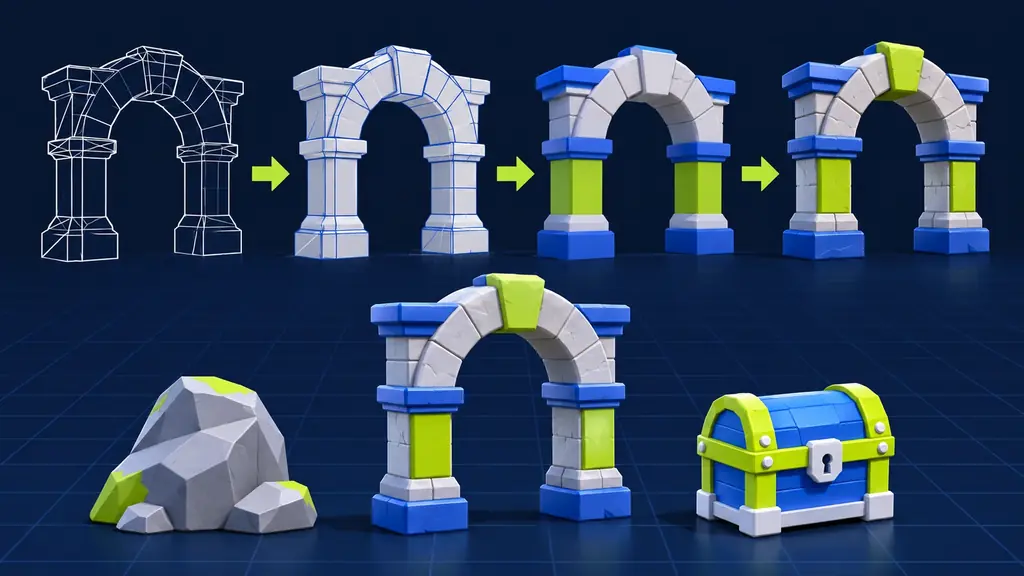
How to sell 3D model packs that survive a buyer’s first import
To sell 3D models, define the buyer’s use, test the exported asset in that environment, and package the geometry, textures, documentation and license together. Sell the result as a digital download on EXNO. A studio buying modular game scenery needs different evidence from a designer buying a still-render prop or a maker buying a printable part.
Read the guide
Selling guide
How to sell finished AI-assisted art without overstating the rights
To sell AI art, start with a finished visual product you created or have permission to sell, check the model and asset terms, and give buyers accurate files and usage terms. A customer purchasing a background set should know its pixel dimensions, what you edited, what they can use it for, and whether they are buying images or a tool that makes them.
Read the guide
Selling guide
How to package AI automation templates buyers can run themselves
To sell n8n templates, package an original workflow with its input format, setup instructions, a safe sample, and a result the buyer can check before enabling it. Make and Zapier use different ways to share automation, so sell the edition you actually tested. The buyer supplies their own authorized accounts and keys; the download is not a running service.
Read the guide