 Gumroad



 Polar
 Kelviq
 Stan

Selling guide
Sell logo templates without promising an exclusive identity
You can sell logo templates as reusable, nonexclusive designs or package them with colors, type guidance and ready-to-use files as a brand kit. Tell buyers which parts they can edit, who else may use the design and why purchasing the files does not settle trademark availability.
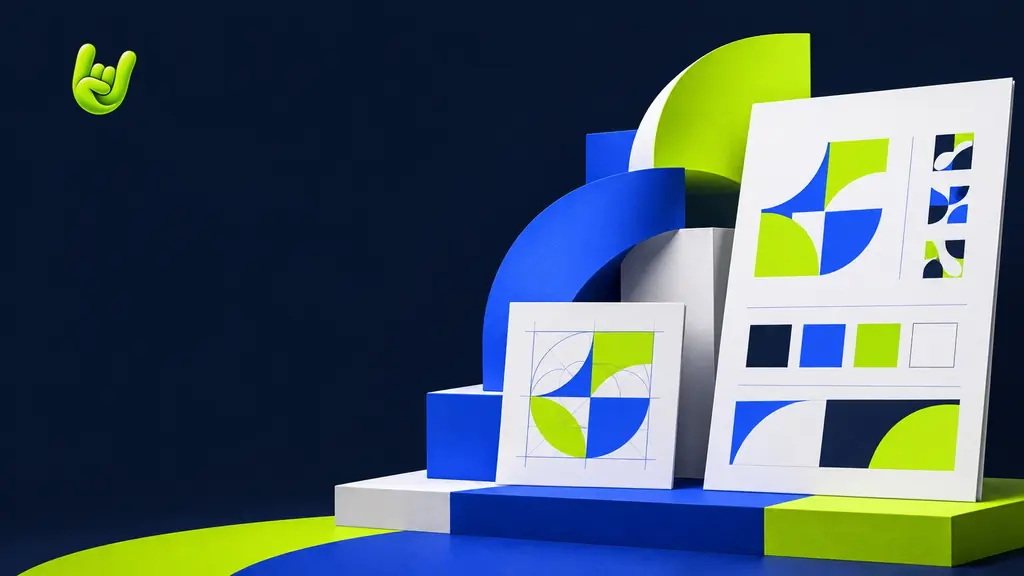
Is your buyer choosing a template, kit or custom identity?
A reusable logo template helps someone assemble a visual identity from a shared starting point, while a brand kit gives them the assets and rules to apply it consistently. A buyer who expects an original mark developed for their business needs a separately scoped service rather than a different file extension.
| Offer | Useful deliverable | Boundary to make visible |
|---|---|---|
| Logo template | Editable wordmark layout, symbol variant and exported examples. | Nonexclusive: other buyers can use the same underlying layout. |
| Brand kit | Logo variations, palette values, typography notes, sample applications and a usage sheet. | Identify which sample applications are editable assets and which only illustrate the style. |
| Custom identity design | An agreed brief, original concepts, revision rounds and named final files. | Any exclusivity, ownership transfer or research must be expressly agreed and within the designer’s rights. |
For one buyer, a reusable kit might simply mean a consistent newsletter header and profile image. A company preparing to invest in signage or file a trademark application faces a different decision. Do not sell the second buyer a shared design under wording that implies no one else can use it. See selling custom design services on EXNO for the service route.
Which files make a brand kit usable after download?
Provide an editable source in a named application, scalable artwork where appropriate and straightforward exports for someone who will not open a design editor. Keep the horizontal, stacked and symbol-only versions clearly separated, and show the difference between live text, outlined letters and a flattened image.
- Separate layout from export. An SVG can carry vector shapes, but the extension alone does not prove an editable wordmark or a fully vector drawing. Open your exported version in the editor you list; check whether the buyer can change the name or only resize outlined shapes.
- Give the buyer a practical file map. For example, include an editable master, an outlined vector for handoff, transparent PNGs for digital use and a PDF usage sheet. List the dimensions of raster files. A vector containing a low-resolution embedded bitmap is not resolution-independent in every part.
- Document typography. Name each font, its source, the weights used and who must obtain a license. Adobe Fonts distinguishes a client using finished artwork from a client editing with the font software; its terms do not allow simply passing the font files on.3 Check each actual typeface’s terms, not just its download price.
- Specify color use. Include screen color values and background examples. If you also provide print specifications, record the color space and intended conditions; do not promise that a monitor and every print process reproduce the same shade.
- Run a handoff test. Replace a short sample name with a longer invented name, open the one-color logo on a dark background and inspect a small icon at its display size. Check transparent edges against both light and dark surfaces. Confirm your export still works when the source application is closed.
One logo, several files: Three layouts, two color treatments and two export formats yield 12 exports. If they all come from one visual identity, say “one identity, 12 exported files,” not “12 logos.” The usage sheet should show which file to send a printer and which to place beside a profile name.
How do trademark and copyright risks change the offer?
Start with symbols and lettering you created or have express permission to redistribute for identity use. Explain that a license to use the artwork is not a trademark clearance opinion, and that an original drawing can still resemble a mark someone uses for related goods or services.124
WIPO’s Global Brand Database supports searches using names, goods and services, and image similarity. WIPO also recommends considering national and regional registers because the global database does not cover every record.1 Keep the date, markets and terms of any preliminary check, and describe it as research rather than proof of worldwide availability.
The USPTO illustrates why exact-match searches alone are insufficient: the similarity of wording, sound, appearance or overall impression can matter together with the relationship between the goods or services.2 That is one office’s explanation, not a universal legal test. A different color or a new typeface does not by itself settle the issue. Buyers considering registration should seek appropriate local advice for their actual mark, markets and business.
A stock element may be fine for a decorative layout but not permitted for a logo, resale inside an editable kit or exclusive use. Keep source records, and exclude any component whose license does not cover the proposed use.4 State whether your terms permit one business, several client projects or redistribution; do not confuse commercial use with permission to resell the source. The digital product licensing guide covers general licensing choices.
How do you price, list and deliver the offer on EXNO?
Price a reusable identity by its practical handoff and permitted use, not by implying that a higher price secures trademark rights. List a custom engagement separately if you need a brief, original concept development or approvals, and state exactly what is ready for download when the purchase is made.
As an illustration, a $20 editable logo layout and a $48 kit can differ in deliverables: the latter adds a usage sheet, social graphics and tested dark-background variants. A custom job involving three hours of design and one hour of revisions at a target of $45 per hour starts with $180 of work before costs. None of these example prices includes trademark filing or legal advice.
- List the condition that changes the decision. Place “nonexclusive template” near the title and name the editor before the customer has to open an FAQ. Separate any custom service so a buyer cannot mistake a download for commissioned work.
- Build the gallery around the handoff. EXNO Store Builder can display the logo on light and dark surfaces beside the usage-sheet preview. Include a close-up of the editable layout, not only polished concept mockups. The product description guide helps distinguish assets from examples.
- Give the customer a first step. Customize the EXNO post-purchase page to name the start guide and the editable source. For a commission, replace that instruction with how to provide the brief and when the first proof follows.
- Inspect the shipped package. Open the ZIP from a fresh folder, check the agreement and documentation are present, and make sure you have not bundled protected font files, client identities or working sketches you did not offer.
Standard sales: 7%. Discover sales: 7%. Additional fees may apply to payment processing, payouts and other transactions. See the Seller Agreement for current fees and terms.
Which previews help a buyer choose the right design?
Show a buyer how the identity behaves when a name gets longer, the background gets darker or the symbol shrinks. These are more useful demonstrations than a wall of attractive mockups because the customer can see whether the template still suits the places where their business needs it.
- Use an invented placeholder. Change it between two sample lengths and show which visual spacing needs manual adjustment. Do not borrow a recognizable company name, lettering style or symbol as a selling point.
- Demonstrate small use. If a symbol becomes a solid blob at avatar size, include a simpler small-size variant you actually deliver, or say where the design stops being legible.
- Show the rights summary in plain view. A beautiful licensing slide at the end is no substitute for telling a buyer up front that others can buy the same mark. Do not call color changes or a custom file export an exclusive design.
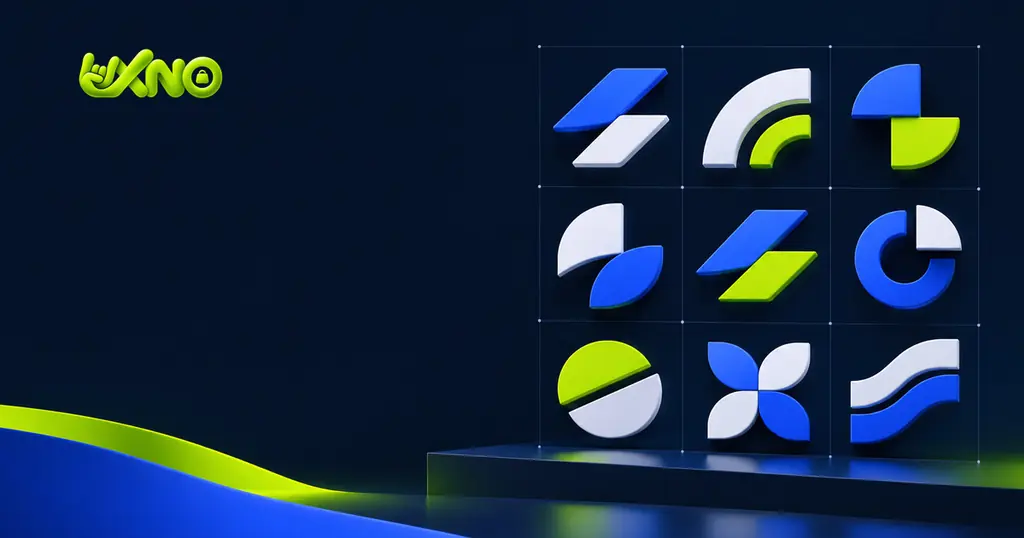
Leave a color signature without offering a trademark claim
A palette can identify a designer’s work without displaying a client’s logo or claiming that a shared template belongs to just one buyer. On the EXNO Pixel Wall, a rectangle can hold a solid color or original image, a title and an optional link after approval.
Use your own studio artwork rather than a commissioned mark you no longer have permission to display. Add a small signature to the EXNO Pixel Wall to support the platform’s growth.
Frequently asked questions
A brand kit can help a buyer present a consistent identity, but it cannot tell them that a name or symbol is legally available everywhere. These questions address the boundaries that deserve a direct answer: exclusive use, source formats, fonts and the difference between a template and custom work.
Can I say buyers can register my template as a trademark?
Do not promise registration. Registrability and potential conflicts depend on the actual mark, goods or services and relevant territory, and a shared template raises additional practical concerns.12
Does outlining the letters leave the name editable?
Outlined letters are shapes, not live text the buyer can simply retype. Label that file as an output version and supply a separate editable source with disclosed font requirements if editing is part of the offer.
Can I include font files in the kit?
Only when the actual license allows that redistribution. If not, name the font and tell the buyer how to obtain an appropriate license; your access does not transfer the font software to them.34
Can I later sell an exclusive version of a previously shared design?
Do not imply that earlier authorized users lose their rights just because the listing was removed. Explain the distribution history, review the existing terms and use a genuinely new design when the buyer needs a different exclusivity arrangement.
General information, not tax or legal advice.
Sources
WIPO and the USPTO explain trademark searching and similarity, while the copyright and font references distinguish permission to use a design from permission to distribute its component files. Use the relevant registers and actual licenses for the intended market rather than treating an example or a preliminary search as clearance.
- WIPO Global Brand Database: name and image searches, coverage and national registers· checked 20 November 2026
- USPTO: similarity of marks and related goods or services in likelihood-of-confusion analysis· checked 20 November 2026
- Adobe Fonts: licensing for editable client files and restrictions on distributing font software· checked 20 November 2026
- WIPO: permission to use creative work and the scope of a license· checked 20 November 2026


Put the usable files and the real permission side by side
Choose one original identity, test it with a different name and write a one-sentence explanation of who may use it. If the editable source, finished exports and licensing summary all tell the same story, you have the ingredients for a useful first brand-kit listing.
Keep reading
Selling guide
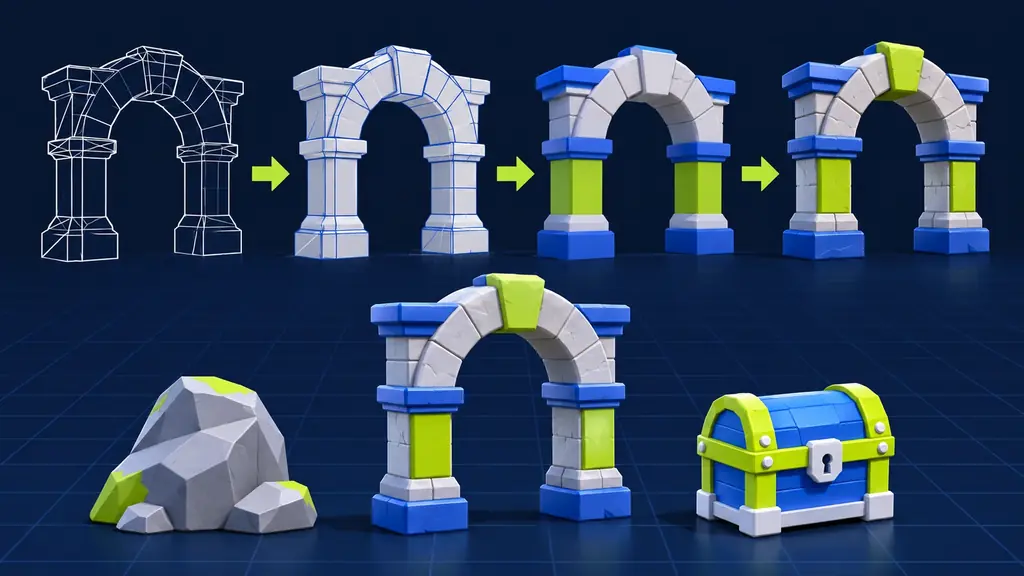
How to sell 3D model packs that survive a buyer’s first import
To sell 3D models, define the buyer’s use, test the exported asset in that environment, and package the geometry, textures, documentation and license together. Sell the result as a digital download on EXNO. A studio buying modular game scenery needs different evidence from a designer buying a still-render prop or a maker buying a printable part.
Read the guide
Selling guide
How to sell finished AI-assisted art without overstating the rights
To sell AI art, start with a finished visual product you created or have permission to sell, check the model and asset terms, and give buyers accurate files and usage terms. A customer purchasing a background set should know its pixel dimensions, what you edited, what they can use it for, and whether they are buying images or a tool that makes them.
Read the guide
Selling guide
How to package AI automation templates buyers can run themselves
To sell n8n templates, package an original workflow with its input format, setup instructions, a safe sample, and a result the buyer can check before enabling it. Make and Zapier use different ways to share automation, so sell the edition you actually tested. The buyer supplies their own authorized accounts and keys; the download is not a running service.
Read the guide